The main ingredients of nihonshu (sake) are rice, koji, and water. It is made by fermenting rice with koji. Most sake sold has an alcohol content of about 15%.
Sake is broadly classified as follows. The polishing ratio is the percentage of white rice remaining after the surface of the rice has been scraped off. A polishing ratio of 60% means that the sake was made from rice with 40% of the surface layer scraped off.
| Category | Materials | Rice polishing ratio |
| Junmai daiginjoshu (純米大吟醸酒) | Rice, Koji, Water | Less than 50 percent |
| Daiginjoshu (大吟醸酒) | Rice, Koji, Water, Brewer's alcohol | |
| Junmai ginjoshu (純米吟醸酒) | Rice, Koji, Water | Less than 60 percent |
| Ginjoshu (吟醸酒) | Rice, Koji, Water, Brewer's alcohol | |
| Tokubetsu junmaishu (特別純米酒) | Rice, Koji, Water | Less than 60 percent |
| Junmaishu (純米酒) | - | |
| Tokubetsu honjouzoshu (特別本醸造酒) | Rice, Koji, Water, Brewer's alcohol | Less than 60 percent |
| Honjouzoshu (本醸造酒) | Less than 70 percent | |
| Futsushu (普通酒) | - | - |
In general, sake with a lower rice polishing ratio is considered to be tastier. For example, junmai ginjoshu (純米吟醸酒) and honjouzoshu (本醸造酒) are considered to be tastier than futsushu (普通酒), meaning ordinary sake. However, needless to say, futsushu is also delicious. The vast majority of sake is futsushu, and many people drink futsushu.
If you haven't had much experience with sake, why not try futsushu (ordinary sake) first? Futsushus are sold at a reasonable price and can be purchased at most convenience stores and supermarkets. Why not try drinking it at a hotel room or somewhere similar?
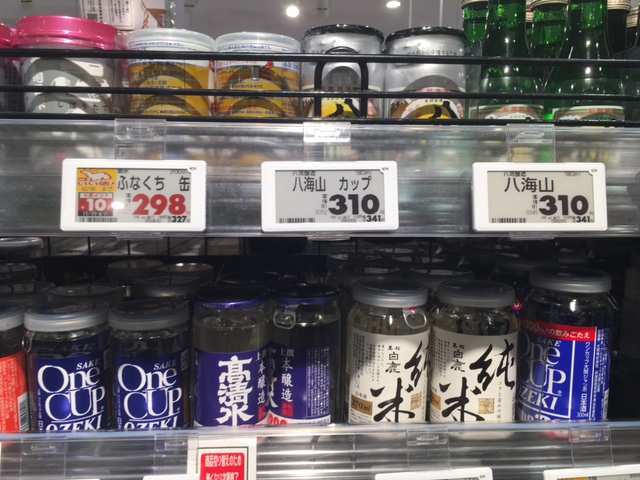
Here are some sakes that come in small sizes and are easy to purchase.
One CUP OZEKI (ワンカップ大関)
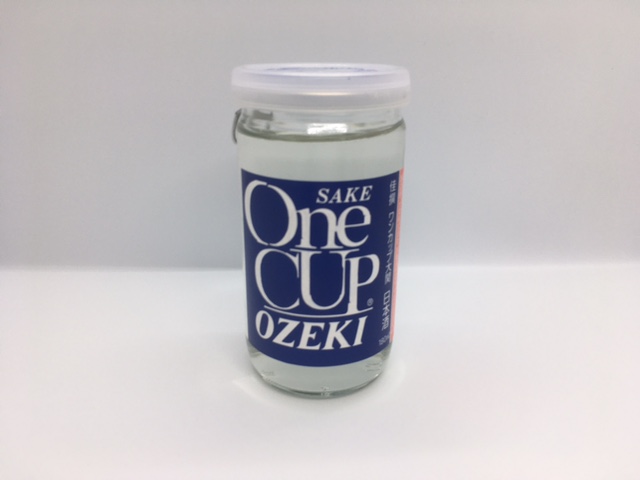
- Capacity
180ml - Regular price
240YEN
Gekkeikan Tsuki Eco Cup (月桂冠 月 エコカップ)
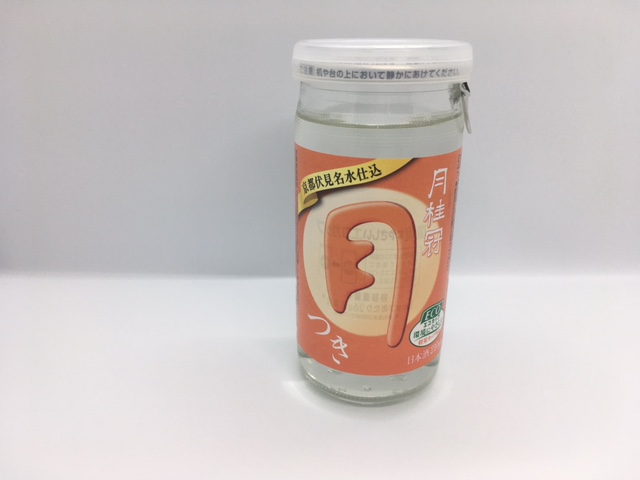
- Capacity
210ml - Regular price
171YEN
Kikumasa Pin (キクマサ ピン)
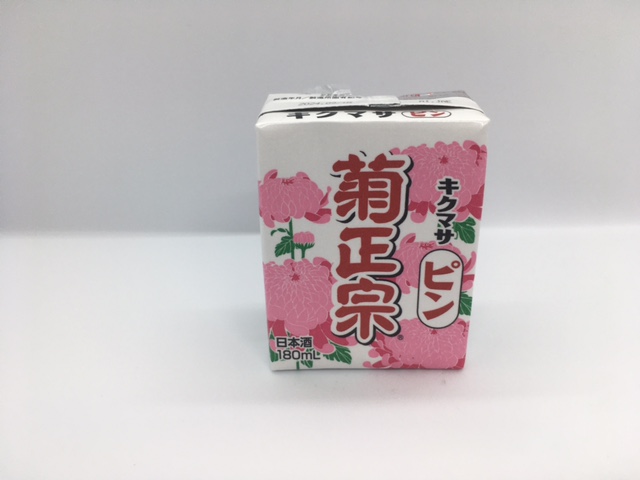
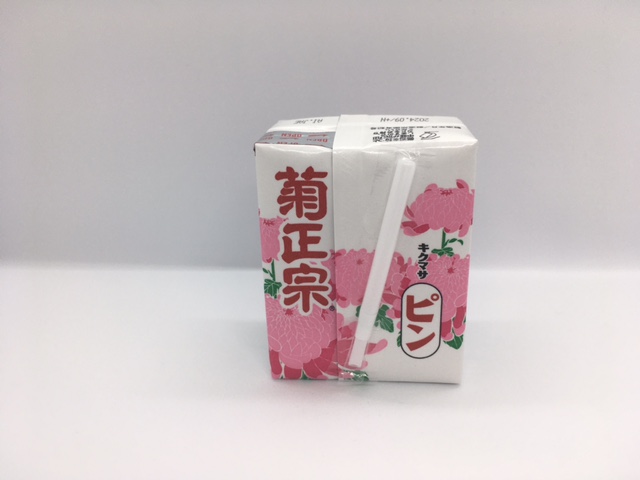
- Capacity
180ml - Regular price
165円 - Comment
It comes with a straw, so it's easy to drink (hahaha).